
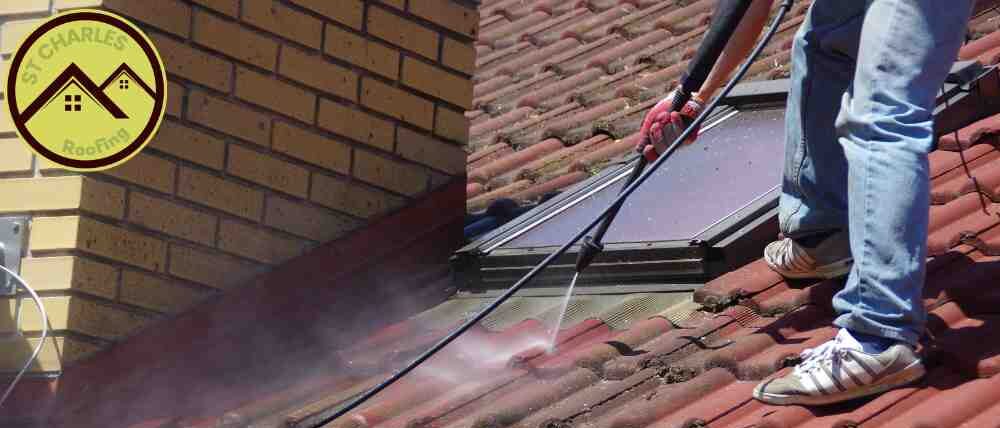
A well-maintained roof is essential to both the visual appeal and structural health of a home. Although pressure washing can produce immediate, noticeable results, it must be approached with caution. Excessive pressure or improper technique can weaken shingles, dislodge protective granules, and reduce overall roof lifespan. In many cases, alternative methods such as soft washing offer a safer and more effective solution by eliminating algae, moss, and mold at their source.
Carefully evaluating the roof’s material, age, and condition preferably with professional guidance ensures that cleaning efforts enhance rather than compromise performance. Thoughtful maintenance decisions ultimately protect your investment and preserve your home’s long-term value.
Is Pressure Washing Your Roof a Good Idea?
Pressure washing blasts dirt, moss, algae, and stains from roofs quickly, restoring looks and preventing damage. Yet high PSI (1500-4000) risks granule loss, cracks, leaks, and safety issues on delicate shingles. Ideal for sturdy roofs; gentler methods suit most homes.
Benefits of Pressure Washing
Pressure washing removes years of debris, moss, and algae in hours, preventing shingle degradation and moisture rot. It boosts curb appeal, enhances home value, and uses only water eco-friendly without harsh chemicals that harm plants or runoff into waterways.
Risks of Pressure Washing
High pressure loosens shingles, strips protective granules, or cracks tiles like cedar or slate, shortening roof lifespan. Water infiltrates gaps, causing attic leaks, mold, and rot. DIY heightens fall risks on slippery slopes; improper use often voids manufacturer warranties.
When to Avoid It
Avoid older roofs, asphalt shingles, or those with damage high pressure exacerbates issues. Skip if under warranty, as it voids coverage. Surface blasting lets organic growth return fast; root treatments via soft washing prevent regrowth effectively instead.
Pressure Washing vs. Soft Washing
- Pressure Washing relies on high-velocity water (1000-4000 PSI) to dislodge surface dirt, moss, and stains rapidly. Ideal for durable surfaces but risks damaging shingles by removing granules or forcing water underneath. Best for metal or concrete roofs with minimal growth; start low and work top-down with adjustable nozzles.
- Soft Washing combines low-pressure rinse (50-150 PSI) with biodegradable detergents like diluted bleach, hydrogen peroxide, or surfactants. It kills algae roots for longer-lasting results without harming materials. Safer for asphalt, tile, or wood roofs; apply solution, let dwell, then gently rinse. Environmentally kinder with less runoff impact.
- Key Difference: Pressure removes visible buildup temporarily; soft washing eradicates sources for months or years of protection. Professionals often prefer soft washing for residential roofs to balance effectiveness and safety.
What PSI Do You Need for Roof Cleaning?
Selecting the right PSI is vital to clean effectively without harm. Low pressure (1000-1500 PSI) suits most asphalt shingles, removing algae gently without granule loss. Medium (1500-2000 PSI) works for clay tiles or concrete but requires caution. Avoid high pressure above 2000 PSI, as it strips protection and invites damage. Pair with adjustable nozzles and work from top down to prevent water seepage.
Soft washing at 50-150 PSI enhances safety using chemicals to break down growth before rinsing. Test small areas first, and prioritize equipment with pressure regulators. For best outcomes, consult roof type guidelines: asphalt demands gentleness, while metal tolerates more force. Proper PSI extends roof life while achieving a spotless finish.)
What Chemicals Are Used?
Effective roof cleaning often pairs pressure with targeted chemicals to tackle organic growth. Common options include sodium hypochlorite (bleach) for killing moss and dilute properly to avoid material harm or plant damage. Hydrogen peroxide offers a milder, eco-friendly alternative, safe for shingles and landscaping.
Surfactants help solutions cling and penetrate grime. Specialized algae removers or biodegradable formulas provide tailored, low-toxicity cleaning for various roofs. For asphalt, mild bleach works well; clay tiles prefer gentle biodegradables; metal needs non-corrosive agents. Always pre-wet plants, apply in shade, rinse thoroughly, and follow with neutralizers. Professionals select based on contamination and material, ensuring residue-free results.
Soft Washing: The Safer Alternative
Soft washing prioritizes low-pressure water and specialized solutions to clean roofs effectively without damage. This method kills algae, moss, and mold at the root while protecting shingles and tiles. It’s ideal for residential roofs seeking long-term results over aggressive blasting.
How Soft Washing Works
Inspect the roof to identify materials, slope, and growth patterns like algae streaks or moss patches. Apply a detergent mix of diluted bleach, hydrogen peroxide, or surfactants to penetrate and kill organic roots. Allow 15-20 minutes dwell time, then rinse with low-pressure (50-150 PSI) water. This gentle process removes contaminants thoroughly while safeguarding shingles from granule loss and preventing rapid regrowth for lasting protection.
Benefits Over Pressure Washing
Soft washing targets and eradicates moss, algae sources for results lasting months or years, unlike pressure washing’s temporary surface clean. It avoids granule stripping, water intrusion, and material cracks, making it eco-friendly with biodegradable options safe for plants and landscaping. Perfect for asphalt shingles, clay tiles, or metal roofs.
Soft Washing Process
Start with assessment and prep: wet plants, cover sensitive areas, remove loose debris. Pretreat heavy stains, apply cleaning solution evenly, and let dwell 15-20 minutes to break down growth. Rinse top-down at low pressure, detail gutters and edges, then inspect for uniform results and fade any light residue.
Choosing the Right Equipment
Select gear matching your roof’s needs for safe cleaning. Essential items include:
- Adjustable Pressure Washer: Controls PSI from 500-2000; opt for electric models for residential use.
- Low-Pressure Nozzle: Wide fan tip (25-40 degrees) prevents concentrated blasts; avoid 0-degree tips.
- Extension Wand: Reaches peaks safely without ladder overuse; telescoping 12-24 feet.
- Safety Harness and Ladder: Non-slip stabilizers, harness for steep pitches; work with a partner.
- Chemical Injector: For soft wash blends; ensures even application.
- Protective Gear: Gloves, goggles, boots; cover plants below.
Prioritize quality to avoid mishaps, rentals suit DIY, but pros bring specialized kits.
Professional vs. DIY Roof Cleaning
Professional services shine for safety and results, especially on complex roofs. Experts assess materials, use calibrated equipment, and spot issues like cracks early. Insured against accidents, they handle heights efficiently with thorough cleanup, preventing warranty voids. DIY saves upfront costs but risks damage from improper PSI or chemicals granule loss shortens shingle life by years. Falls injure thousands annually; steep, wet surfaces amplify hazards. A garden hose with soft wash solutions works for light cleaning: wet plants, apply eco-detergent, rinse low-pressure, and never climb without gear. Schedule pros every 2-3 years; DIY suits flat, low-growth roofs. Weigh expertise against effort for optimal outcomes.
| Aspect | Professional | DIY |
|---|---|---|
| Safety | Trained, insured, harnesses | High fall risk, no coverage |
| Effectiveness | Root-killing chemicals, full access | Surface clean, quick regrowth |
| Cost | $300–800 avg. | $100–300 tools/chemicals |
| Roof Longevity | Protects materials, warranty-safe | Potential damage/voids |
| Time | 2–4 hours | Full day+ |
FAQs
Is pressure washing safe for asphalt shingles?
No, high pressure strips protective granules, loosens shingles, and risks leaks or water intrusion into the attic. Opt for soft washing with low PSI and detergents to safely remove algae without damaging the roof’s integrity or shortening its lifespan.
How often should you clean your roof?
Schedule every 2-3 years for standard roofs to prevent buildup. Increase annually if shaded, north-facing, or near trees, as moisture promotes faster moss and algae growth. Regular maintenance extends life and maintains curb appeal effectively.
What’s the best chemical for roof algae?
Diluted sodium hypochlorite (bleach) or hydrogen peroxide effectively kills algae roots without harming shingles. Apply with surfactants for better adhesion, dwell 15-20 minutes, then low-pressure rinse. Protect plants and use biodegradables for eco-safety.
Can I pressure wash my metal roof?
Yes, use medium PSI (1500-2000) with wide 25-40° nozzles to clean safely. Work top-down, avoid coated panels to prevent finish damage. Test low first; soft washing is gentler for long-term protection against corrosion.
Final Thoughts
Roof pressure washing can rejuvenate your home’s appearance and prevent damage from algae or moss, but high risks demand caution. Prioritize low PSI, proper chemicals, and safety gear or better, soft washing for granule-safe, long-lasting results. Professionals minimize errors, protect warranties, and extend roof life, saving thousands in repairs.
Regular maintenance every 2-3 years boosts curb appeal and value. Avoid DIY pitfalls like water intrusion or falls by assessing your roof type first. Combine with gutter cleaning for full exterior care. Invest in the right method today to safeguard your home’s shield against elements, ensuring beauty and durability for years ahead.